
5 Questions people ask about plasterboard
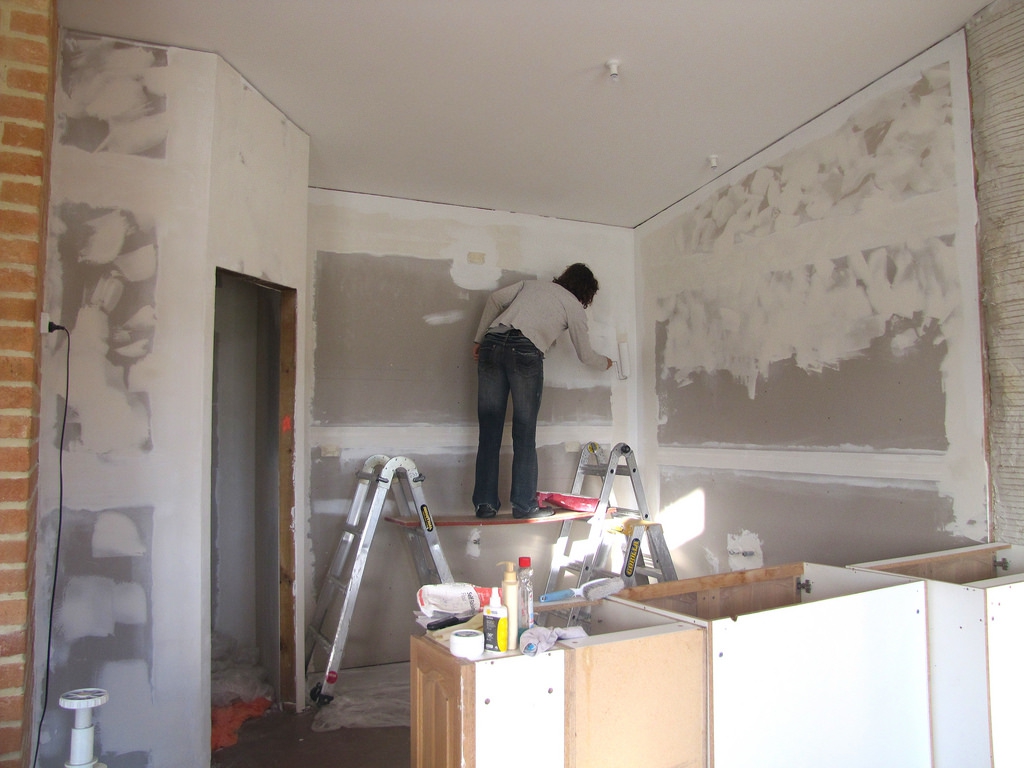
Plasterboard is now one of the most common wall and partition systems used in new homes, renovations, and commercial fit-outs across Perth and Western Australia. It is fast to install, cost-effective, and delivers a clean, modern finish.
Most trades in Perth know the key details that make plasterboard perform well long term, but DIY renovators often have the same questions before they start. Below are five of the most common ones, with practical guidance to help you plan your project properly.
Can I paint straight onto plasterboard?
Yes, but you should not apply top coats straight onto bare plasterboard without proper preparation.
What to know:
- New plasterboard has a paper face and jointing compound at the set joints. These surfaces absorb paint differently and can “flash” through the finish if not sealed.
- Use a plasterboard sealer or primer first, then apply your chosen top coats.
- If you have freshly stopped joints, make sure they are fully dry and sanded smooth before priming.
Tip: If you are after a higher-end finish, pay extra attention to the stopping level and lighting in the room. Downlights and large windows can highlight imperfections.
Can I put tiles on plasterboard?
Yes, in many cases you can tile over plasterboard, but you must choose the right board and prep method for the location.
Key points:
- Wet areas need waterproofing in accordance with Australian requirements. Do not rely on tiles or grout alone to keep water out.
- Use a suitable tile adhesive and follow the adhesive manufacturer’s guidelines for board type, maximum tile weight, and trowel size.
- In high exposure zones such as showers, many installers prefer a fibre cement sheet or a wet area lining system designed for bathrooms.
If you are lining a bathroom, laundry, or kitchen splashback area, ask for a moisture-resistant plasterboard option and confirm the waterproofing system with your tiler or waterproofer.
See our range of water resistant plasterboard here.
Is plasterboard a combustible material?
Plasterboard is generally considered non-combustible due to its gypsum core, which contains chemically bound water that helps resist fire and slow heat transfer. That said, not all plasterboard systems deliver the same fire performance.
Important detail:
- Fire resistance comes from the whole system, not just the sheet. That includes board type, thickness, stud type, insulation, screw spacing, jointing, penetrations, and correct installation.
- Fire rated plasterboard is commonly used where a wall or ceiling must achieve a specific fire resistance level, often in multi-residential and commercial buildings.
If you need a compliant fire rated wall or ceiling, confirm the required system with your builder or engineer and ensure it is installed to the manufacturer’s tested system.
Is drywall and plasterboard the same thing?
Yes. In Australia it is usually called plasterboard. In other countries, especially the USA, it is commonly called drywall, sheetrock, or gypsum board.
They refer to the same general product type.
What kind of plasterboard can I use in the bathroom?
Use a board suited to moisture-prone areas and design it correctly for the zone.
General guidance:
- For ceilings and walls outside direct water exposure, moisture-resistant plasterboard is commonly used.
- For shower areas and other high moisture zones, the lining, waterproofing, and tiling system matters most. Many projects use fibre cement in shower recesses, or a wet area approved lining system, combined with compliant waterproofing.
- Always provide adequate ventilation such as an exhaust fan ducted to the outside, since moisture issues are often caused by poor airflow rather than splashes alone.