
What is Trench Mesh and How is it Used in Construction?
Strength and durability are the bedrock of construction.
A key safeguard of these features is trench mesh. This hidden yet essential component reinforces concrete structures to ensure their integrity and longevity.
In this article, we’ll take a comprehensive look at trench mesh, explore its defining qualities, significance and application in construction, benefits and common mistakes of its usage.
What is trench mesh?
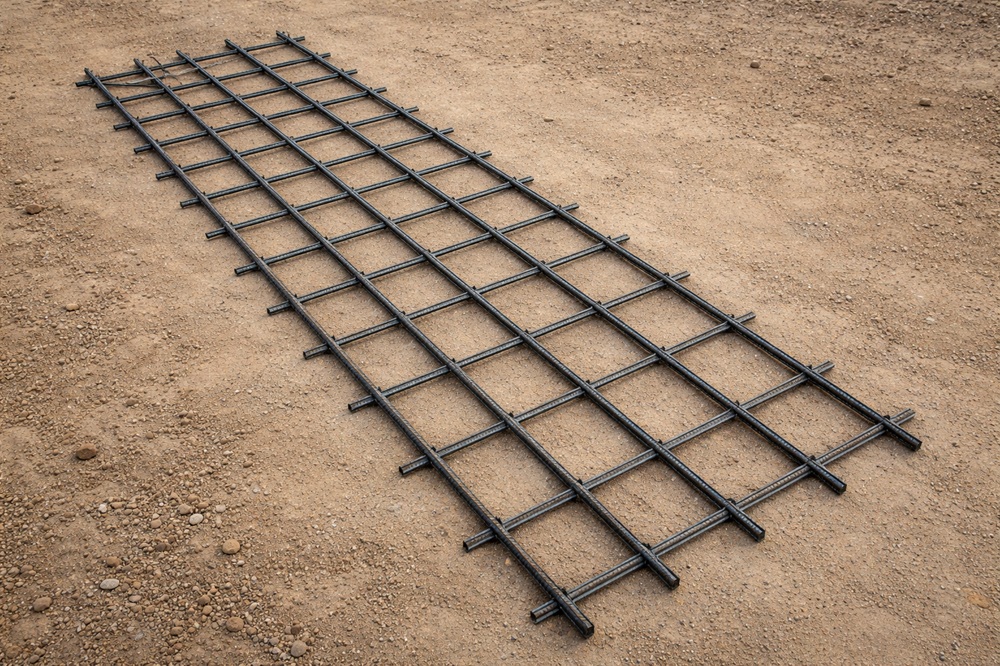
Trench mesh, also known as concrete mesh or reinforcing mesh, is a construction staple. It’s a type of welded wire mesh specifically designed to reinforce concrete structures. Trench mesh consists of a grid-like pattern formed by longitudinal and transverse wires, which are welded together at their intersections. This arrangement creates a sturdy and reliable framework that enhances the structural integrity of concrete elements.
Composition and characteristics of trench mesh
Trench mesh is primarily composed of high-quality, low-carbon steel wire. The steel wire used in its production undergoes a process of cold drawing to increase its tensile strength and durability. The surface of the wire is often ribbed or deformed to improve its bonding with concrete.
In terms of characteristics, trench mesh exhibits exceptional strength and load-bearing capacity. It possesses a high tensile strength, enabling it to withstand significant force and distributing it evenly throughout the concrete. This reinforcement helps to prevent cracking and bolsters the overall durability of the structure.
Standard sizes and configurations
Trench mesh is available in various standard sizes and configurations to suit different construction requirements. The mesh sheets typically come in lengths of 6 meters and widths of 200mm – 2,400mm, providing ample coverage for diverse project needs. These dimensions ensure the mesh can be easily incorporated into different sections of a construction site, including walls, foundations and slabs.
The composition, characteristics and varied sizes/configurations of trench mesh make it a strong, versatile material in the construction industry. The different types and dimensions offer builders and engineers adaptability for their specific projects, ensuring suitable reinforcement and structural integrity.
What are the advantages of trench mesh?
Reinforcement of concrete structures
The primary use and advantage of trench mesh is its exceptional ability to reinforce concrete structures. When embedded within the concrete, the mesh forms a robust framework that distributes load-bearing forces evenly. Concrete is vulnerable to tensile forces and this reinforcement can offer strength and resistance to external pressures, ensuring its stability over time.
Increased structural integrity and load-bearing capacity
By using trench mesh, the structural integrity and load-bearing capacity of a construction project is significantly increased. The mesh acts as a support system, reinforcing the concrete and increasing its ability to bear heavy loads and resist deformation. This is particularly crucial in large-scale projects such as buildings, bridges and infrastructure where the structures need to withstand substantial weight and stress.
Prevention of cracking and shrinkage
Trench mesh helps prevent cracking and shrinkage in concrete structures. As concrete cures and dries, it undergoes natural shrinkage which can lead to cracks and compromise the integrity of the construction. By distributing the tensile forces created by shrinkage, trench mesh can minimise the risk of crack formation and ensures the structure maintains its structural integrity.
Resistance to temperature variations and corrosion
Trench mesh is resistant to temperature variations and corrosion. Concrete structures are exposed to fluctuations in temperature, which causes expansion and contraction. Again, trench mesh helps absorb and distribute these stresses, reducing the likelihood of cracking or structural failure.
Additionally, trench mesh can be galvanised or coated with epoxy to provide an extra layer of protection against corrosion. This coating shields the steel wires from moisture, chemicals and environmental damage, prolonging the lifespan of both the mesh and the concrete structure it reinforces. Trench mesh ensures the construction remains structurally sound and durable, even in harsh or corrosive environments.
Trench mesh offers numerous advantages in construction. By providing tensile strength, it can protect concrete structures from various forms of integrity failure and create safer, more durable constructions.
How is trench mesh used in construction?
Foundations and footings
Trench mesh is often used in foundation and footing applications, where it provides a crucial layer of structural support and stability. When used in these areas, the mesh is placed within the concrete, reinforcing it and helping it to distribute weight and loads evenly. This reinforcement helps improve the overall strength and durability of the foundation or footing.
Retaining walls and basement slabs
Retaining walls, which are built to hold back soil or other materials, also benefit from the reinforcing ability of trench mesh. By embedding the mesh into the concrete, the wall gains increased strength and stability. The mesh reinforcement helps prevent cracking or bulging due to the pressure from the retained material. Similarly, in basement slabs, trench mesh helps resist the upward pressure from groundwater and soil, maintaining the structural integrity of the slab.
Trenches and drainage systems
In infrastructure projects, such as the construction of roadways, utilities and drainage systems, trench mesh is commonly used to strengthen trenches and drainage components. The mesh reinforces the concrete lining of trenches, preventing collapse or deformation. It also ensures the integrity of drainage pipes and channels, allowing reliable water flow and efficient management.
Concrete pavements and driveways
Trench mesh is essential in the construction of concrete pavements and driveways. These surfaces gain enhanced strength and durability as the mesh reinforces the concrete. This helps prevent the formation of cracks and deterioration due to heavy loads, temperature changes and soil movement. This results in neat, sturdy and long-lasting pavements and driveways.
Structural beams and columns
Trench mesh is used to reinforce structural beams and columns. By adding the mesh to the concrete used in these components, their load-bearing capacity and structural integrity are significantly improved. The mesh provides resistance from bending and shear forces, allowing the beams and columns to withstand heavy loads and external pressures. This ensures the stability and safety of the entire structure.
Slabs and floor systems
In the construction of slabs and floor systems, trench mesh is often incorporated for added strength and durability. The mesh acts as a reinforcement layer within the concrete, preventing cracking and improving load distribution. This is particularly important in areas with high foot traffic, heavy equipment or dynamic loads. Trench mesh ensures the longevity and performance of the slabs and floor systems, reducing the risk of structural failure and the need for costly repairs.
Other applications
Trench mesh has a wide range of additional applications in construction. It can be used in the reinforcement of beams, walls, staircases and precast elements. It’s used in the construction of swimming pools, retaining ponds and other water-containment structures. The versatility and adaptability of trench mesh make it an essential material in various projects, contributing to the strength, stability and longevity of the construction.
Common mistakes to avoid when using trench mesh
Inadequate cover and spacing
A common, avoidable mistake when using trench mesh is providing insufficient cover and spacing. Cover refers to the distance between the surface of the concrete and the top layer of the mesh. Inadequate cover can compromise the corrosion resistance of the mesh and its ability to provide reinforcement. It’s important to follow the recommended cover requirements specified by engineering standards or building codes to ensure optimal performance.
Similarly, incorrect spacing between mesh sheets can reduce load-bearing capacity and compromise structural integrity. Improper spacing can create weak points within the concrete, potentially resulting in cracks or structural failures. Again, follow the recommended guidelines to determine the correct spacing, taking into account the specific project requirements, such as the expected loads and stress levels.
Improper installation techniques
Mistakes in the use of trench mesh often occur during installation. The installation process requires precision and attention to detail to ensure the mesh is properly positioned and securely fixed. Failure to handle the mesh correctly, place it in the right locations or adequately secure it can lead to weak spots and compromised reinforcement.
Follow recommended installation practices and seek the expertise of skilled professionals. Proper handling, placement and fixing techniques, such as tying or clamping the mesh at the intersections, should be employed to ensure the mesh is properly integrated within the concrete.
Neglecting corrosion protection
Failure to address corrosion protection is a big mistake that can impact the longevity and performance of trench mesh and the structure it reinforces. While trench mesh is designed to resist corrosion, it’s still susceptible to deterioration over time, especially in corrosive environments or when not adequately protected.
To avoid this mistake, it’s important to take appropriate corrosion prevention measures, such as galvanising the mesh or applying epoxy coatings. These protective measures shield the steel wires from moisture, chemicals and environmental elements, preserving the integrity of the mesh and prolonging its lifespan.
Improper supervision and quality control
Supervision and quality control during the installation of trench mesh can avoid costly mistakes and compromised integrity. Regular inspections and oversight help identify installation errors or deviations from design plans and allows for prompt corrective actions. Quality control measures, such as pull-out tests to assess the bond between the concrete and the mesh, can provide assurance of the reinforcement’s effectiveness. Proper supervision and quality control can identify potential issues early on and ensure the installation meets the required standards and specifications.
By being mindful of the potential mistakes and pitfalls, builders and engineers can ensure that trench mesh is utilised to its full potential, maximising its reinforcement benefits and contributing to the long-term success of construction projects.
The backbone of concrete structures
Trench mesh has a vital role in construction projects, providing significant reinforcement, strength and durability to various structures.
Throughout this article, we’ve explored the definition of trench mesh, its composition and the types available. We’ve also discussed its wide range of applications, such as foundations, retaining walls, trenches, drainage systems, concrete pavements and driveways.
Trench mesh brings several benefits to these construction projects, reinforcing them, increasing their load-bearing capacity, preventing cracking and shrinkage, and offering resistance to temperature variations and corrosion. Trench mesh ensures structures are built to withstand the test of time.
Trench mesh in the construction industry
An indispensable tool in construction, trench mesh is used every day to provide a reliable and efficient means of reinforcing concrete structures. Its versatility allows for application in a wide range of construction projects, from residential buildings to commercial complexes and infrastructure developments.
By incorporating trench mesh into construction projects, builders and engineers can guarantee the structural integrity, safety and longevity of their work. It enables them to construct robust foundations, stable retaining walls and durable pavements. Trench mesh contributes to the overall strength, stability and performance of structures, making them resilient against external forces and environmental conditions.
Investing in high-quality trench mesh and adhering to proper installation techniques, cover requirements and corrosion protection measures will achieve optimal reinforcement. By avoiding common mistakes and prioritising quality control, builders can ensure the long-term performance and maximise the benefits of trench mesh.
Trench mesh at Statewide Building Products
At Statewide Building Products, we understand the importance of using high-quality trench mesh in construction projects. We offer an extensive range of trench mesh products, designed to meet various project requirements. With convenient online ordering and express delivery services, we’ll help you save time and money.
Visit our website to explore our range of trench mesh products or call us on (08) 9399 3276 for more information.