
What grade of steel is rebar?
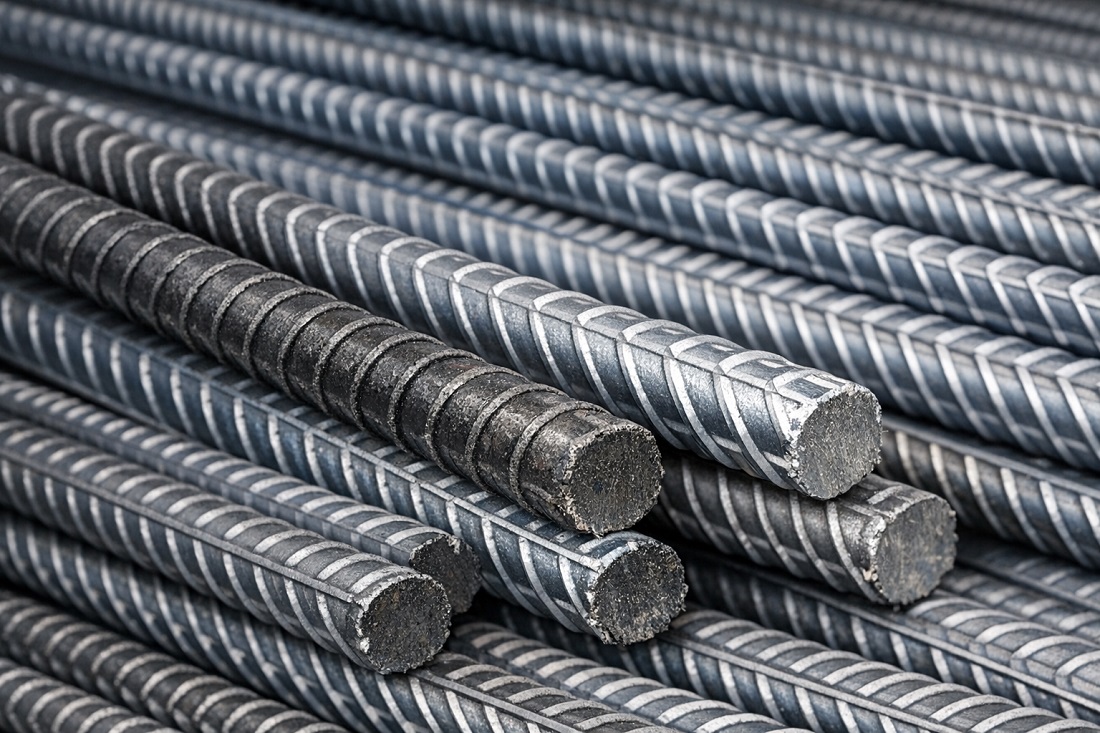
Rebar grades can be confusing because different countries use different naming systems. The grade of rebar tells you how strong the reinforcing steel is and how much stress it can handle before it starts to deform. If you are reading plans, pricing reinforcement, or comparing overseas and Australian specifications, it helps to understand what these grade labels mean.
What grade of steel is rebar?
For rebar or reinforcing steel, its grade refers to its yield strength. It tells you how strong the reinforcing bar is and what it is suitable for in structural design. Higher grade steel can carry more stress before it deforms.
In Australia, reinforcement is generally specified to Australian and New Zealand standards with modern deformed bars commonly at high-strength grades. On Australian drawings, you will often see notations such as N12, N16, depending on the drawing style and specification.
What is grade 60 rebar?
Grade 60 rebar is a common US designation. It means the steel has a minimum yield strength of 60,000 psi, which is about 420 MPa.
It is one of the most used reinforcing grades in North America because it provides a good balance of strength, availability, and cost.
If you are working in Australia, be aware that local reinforcement is usually specified under Australian standards rather than US grade labels. So, while people may mention grade 60 rebar, the local equivalent is usually referenced by Australian designations and strength classes.
What is grade 40 rebar?
Grade 40 rebar is another US designation. It has a minimum yield strength of 40,000 psi, which is about 280 MPa.
It is a lower strength than grade 60 and is less common in modern structural work where higher-strength bars are preferred.
Very important note: If you are pricing or ordering locally in Perth or other parts of Australia, always follow the engineer’s drawings and local standards rather than trying to substitute grades based on overseas terminology.
Where to buy rebar for concrete
If you need reinforcing products for a concrete job, a local supplier with reinforcing stock and product knowledge is the best place to start.
Conclusion
Understanding rebar grades helps you interpret specifications more accurately and avoid mistakes when pricing, ordering, or comparing products. While Grade 40 and Grade 60 are common US terms, Australian projects are generally documented using local reinforcement designations and standards. The safest approach is always to follow the engineer’s drawings and source the correct reinforcing products from a reputable local supplier like Statewide Building Products.