
What happened in the cement industry for Australia in 2025
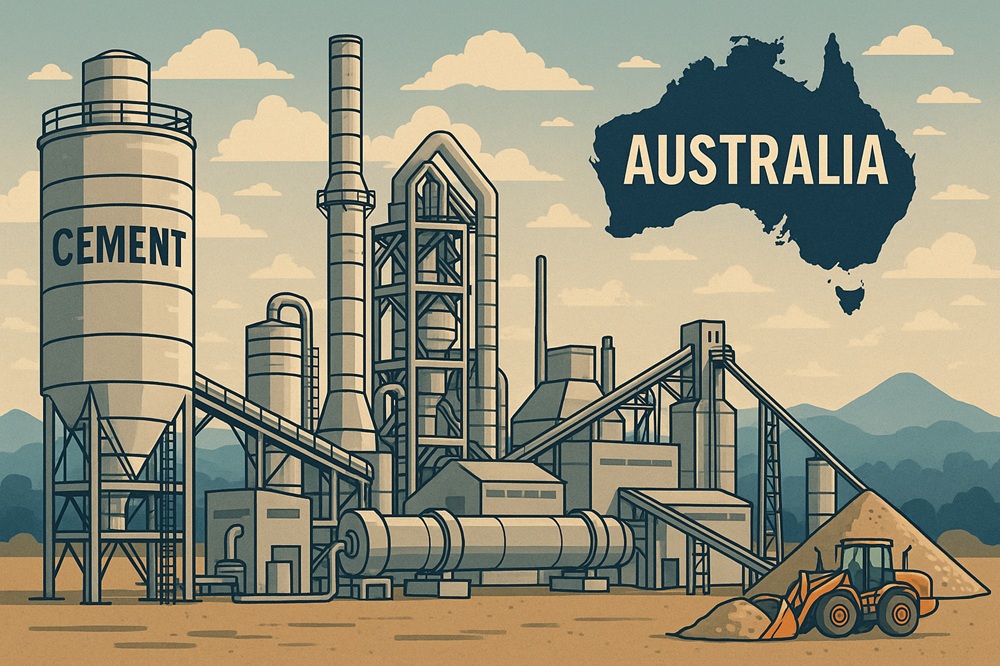
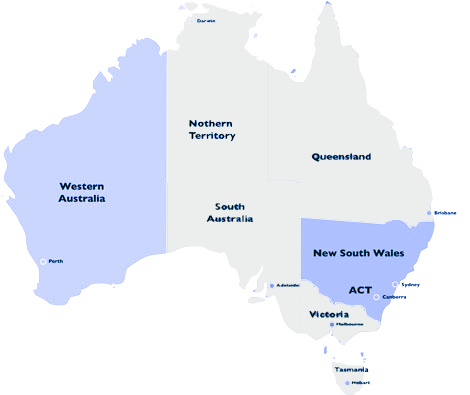
The cement industry in Western Australia is undergoing a wave of consolidation, innovation and infrastructure upgrades. All of this has a dramatic effect on concrete costs, housing, and infrastructure for 2026 and beyond. In this article, we’ll recap all the most important events regarding the cement industry.
Major consolidation in WA, new owners, new structure
In a big shakeup for the WA building materials sector, Cement Australia, including Holcim Australia and Heidelberg Materials Australia, completed its acquisition of BGC Cementitious as of 1 October 2025. The acquisition gives Cement Australia control of BGC’s cement operations, transport, and related assets reshaping the competitive landscape in WA’s cement market.
The Australian Competition and Consumer Commission (ACCC) announced it will not oppose the acquisition after the parties adjusted the original structure to ease competition concerns.
In practice, this consolidation is likely to reshape supply chains in multiple sectors of the cement industry across WA while influencing pricing, availability, and distribution for new housing and infrastructure projects.
WA gets bigger cement production capacity
Cockburn Cement officially opened its upgraded Kwinana Cement Plant in 2025, consolidating its previous Munster and older Kwinana operations into a single, modern facility.
The new plant features modern milling technology, automated quality-control systems, and state of the art clinker handling and storage. It will boost capacity to 1.5 million tonnes per year.
From a strategic supply perspective, the upgrade helps secure cement availability for WA’s expected construction surge and reduces reliance on older, less efficient infrastructure. This is great news for builders worried about supply bottlenecks.
New logistics infrastructure
Beyond plants and mergers, Western Australia is also upgrading how raw materials for cement are handled. Recently the Fremantle Ports launched a new state funded Kwinana Bulk Terminal clinker import circuit making it WA’s sole dedicated facility for imported clinker and granulated slag.
This facility includes a dedicated conveyor system, a large dome that can store a 40,000-tonne clinker shipment and upgraded storage as well as unloading infrastructure.
Because clinker is the essential for cement, the new circuit reduces supply chain risks for cement producers while easing the transport labour and environmental burden.
Cement demand is rising and with it, pressures
According to a recent industry report, the Australian cement sector is set to experience growth in 2026 driven by a mix of public infrastructure projects and regional housing demand.
At the same time, the industry faces ongoing pressures from energy costs, import-reliant clinker supply, and environmental regulations that complicate quarrying and cement production.
Several industry stakeholders say the tightening supply of quarry materials, rising energy and transport costs, and ongoing demand for low-carbon concrete products are reshaping priorities for producers in Australia.
What it means for the construction industry
If you’re a builder or trade, the plant upgrade at Kwinana means cement supply should be more reliable in WA going forward. All this will result in less shortages or delays.
The new clinker import terminal at Kwinana helps reduce dependence on domestic quarry output, which could buffer cement supply even if local mining is disrupted.
For developers and infrastructure planners, consolidation of major cement players could lead to price adjustments
For the housing sector, with demand rising, availability of cement and concrete might remain good, but plan correctly if demand spikes further.
In short
2025 was a pivotal year for cement and construction in Western Australia. Between big acquisitions, a new large plant, upgraded logistics, rising demand, the fundamentals of how cement is produced, supplied, and consumed in WA are changing.
For builders, contractors, developers and suppliers, it’s a moment to watch closely. These changes might bring better supply stability, but also price and regulatory pressure in 2026 and beyond.